
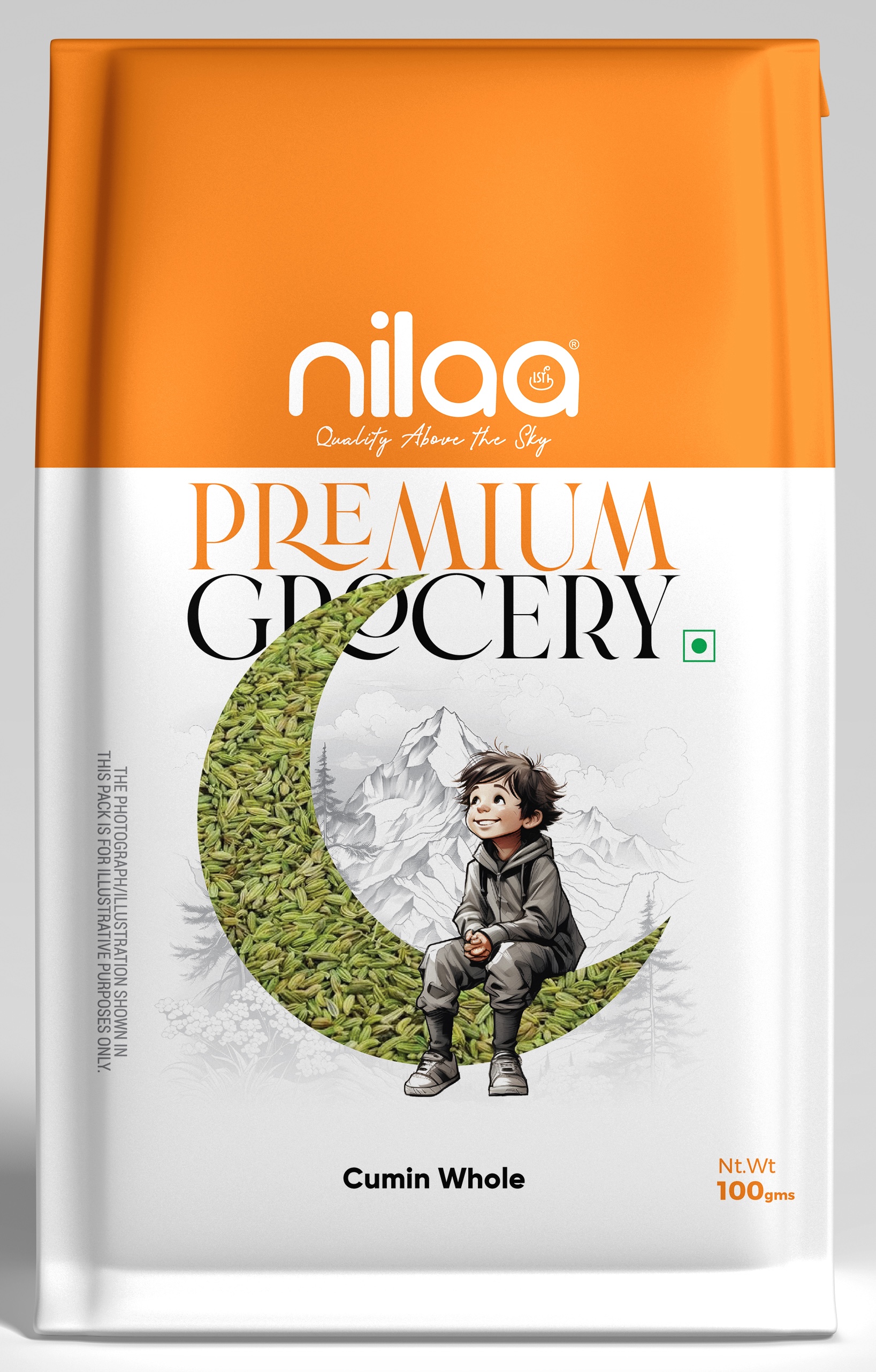
Cumin is a good source of dietary fiber, protein, and various minerals, especially calcium, iron, and magnesium. It is also a good source of antioxidants and has been used in traditional medicine to treat digestive issues and other ailments.
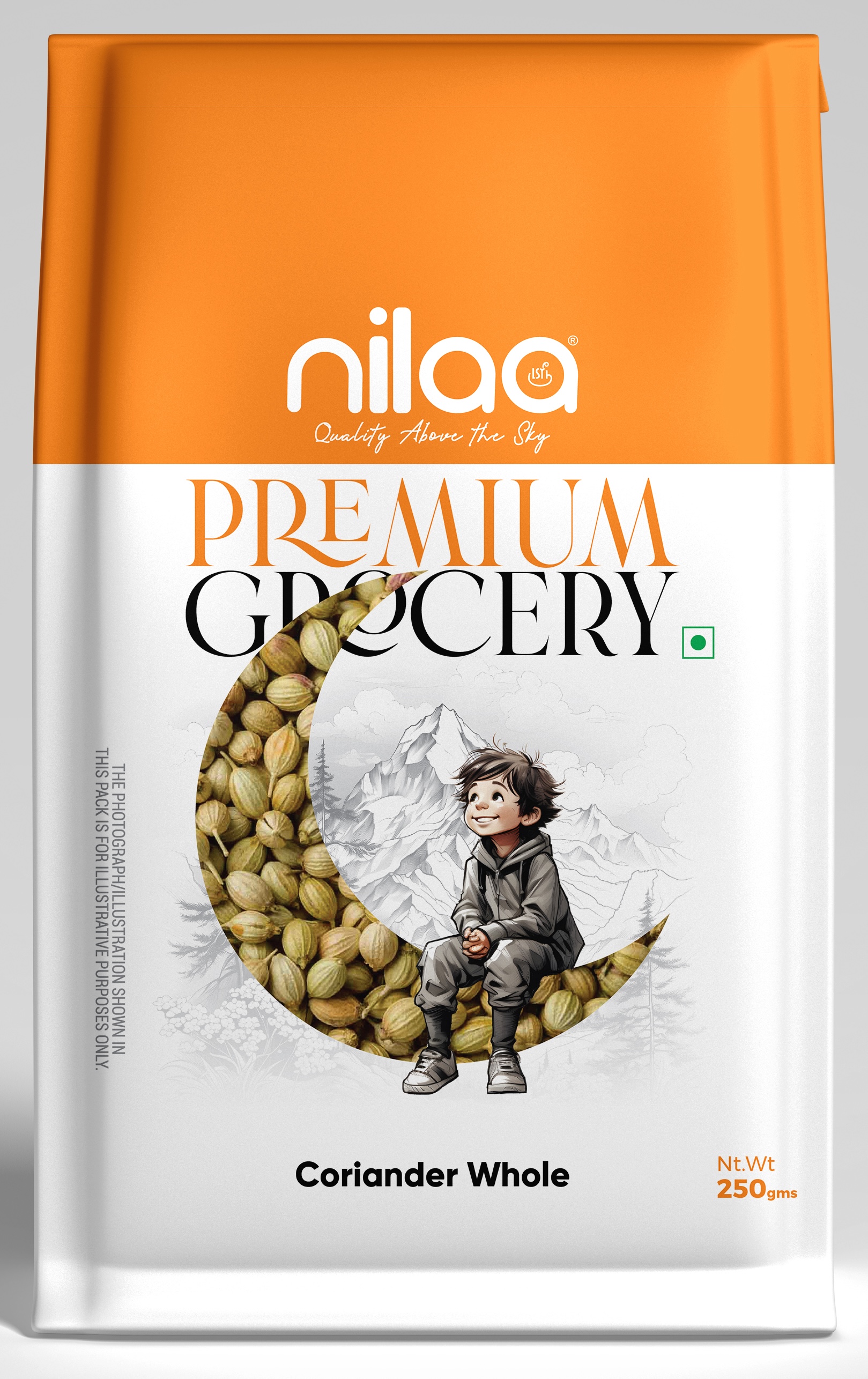
Coriander is a good source of dietary fiber, protein, and various minerals, especially calcium, iron, and magnesium. It is also a good source of antioxidants and has been used in traditional medicine to treat digestive issues and other ailments. Coriander is commonly used in Indian, Middle Eastern, and Asian cuisines to add flavor to curries, soups, stews, and other dishes. Both the leaves and the seeds of the plant are used in cooking, and they have slightly different flavors. The leaves are known as cilantro in some parts of the world.
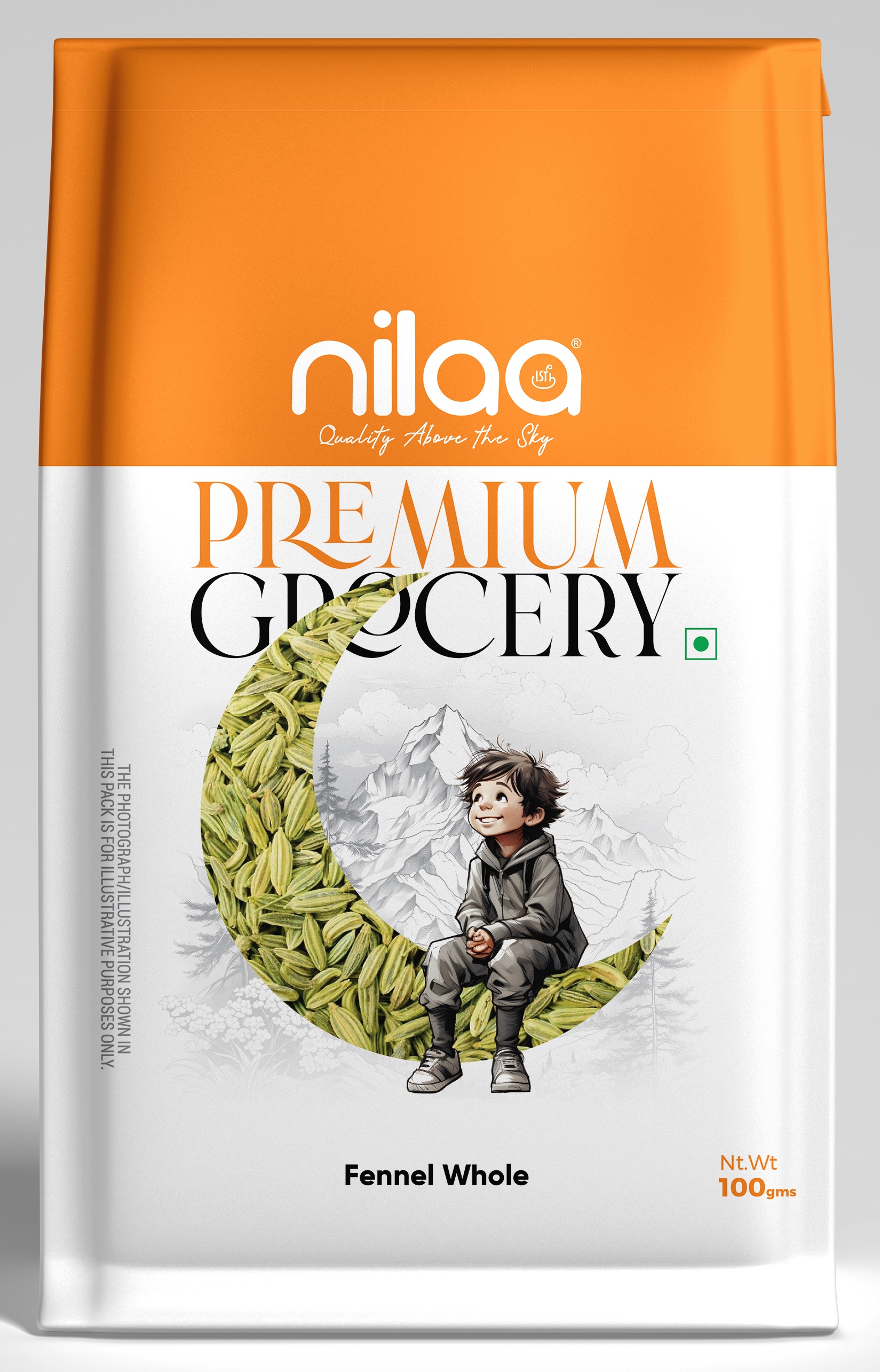
Fennel seeds are a spice that are commonly used in Indian, Mediterranean, and Middle Eastern cuisine.
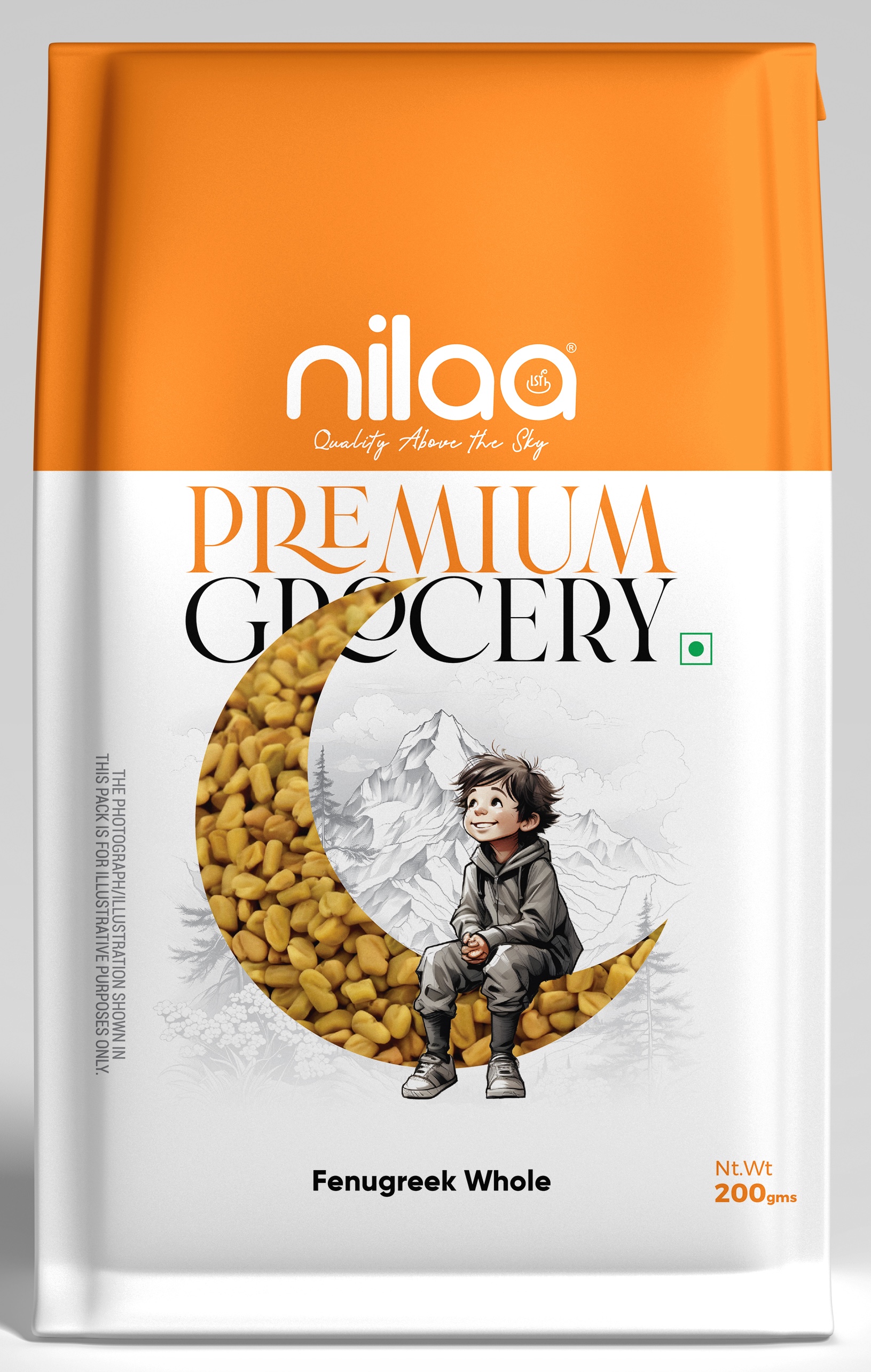
Fenugreek is an herb that is commonly used in Indian cuisine as a spice and as a medicinal plant.

Cinnamon (whole and ground) This is a popular spice that comes from the inner bark of a tree belonging to the laurel family. When whole, its design is exquisite: reddish-brown, brittle-layered curls that are hollow inside. These cinnamons have a sweet and penetrating flavor. These are purely cultivated and come filled with freshness, fitness and a delicious aroma. It is free of synthetic chemicals and pesticides.
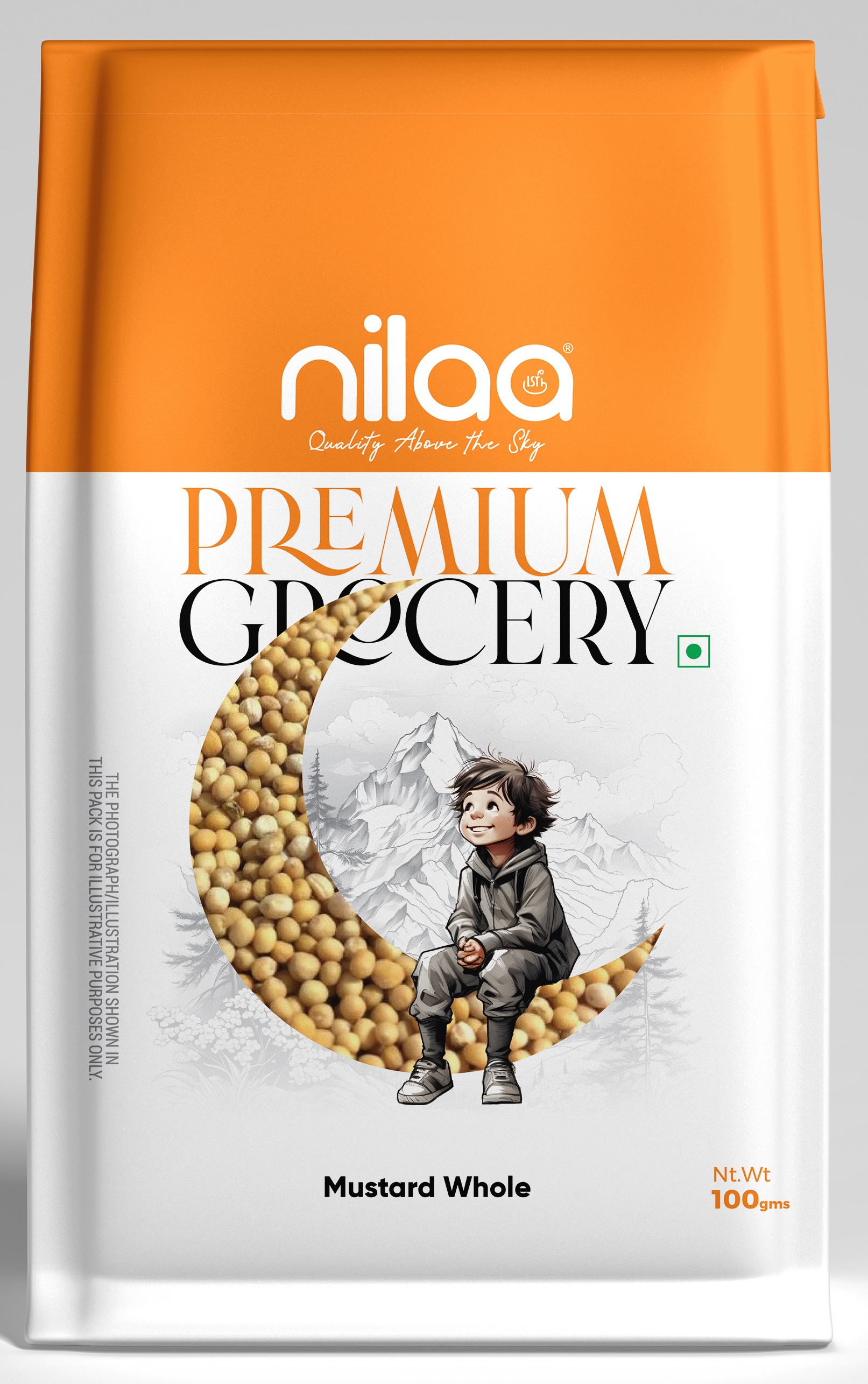
Mustard seeds are small round seeds of the mustard plant and are often used as a spice in Indian cuisine. Mustard seeds are a good source of dietary fiber, protein, and various minerals, especially calcium and magnesium. They also contain antioxidants and have been shown to have anti-inflammatory properties.
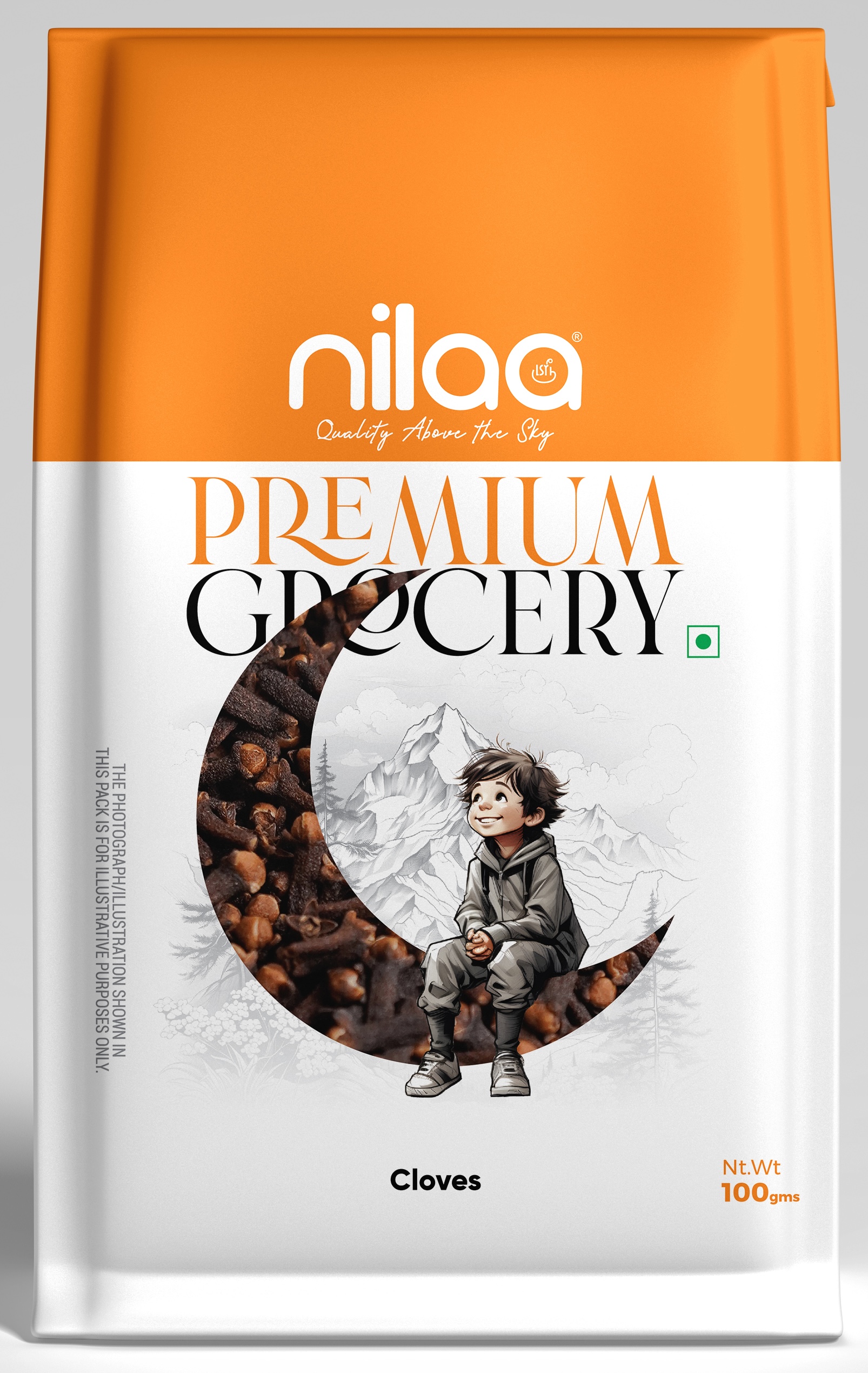
Cloves are the aromatic flower buds of a tree in the family Myrtaceae, Syzygium aromaticum. They are native to the Maluku Islands (or Moluccas) in Indonesia, and are commonly used as a spice.
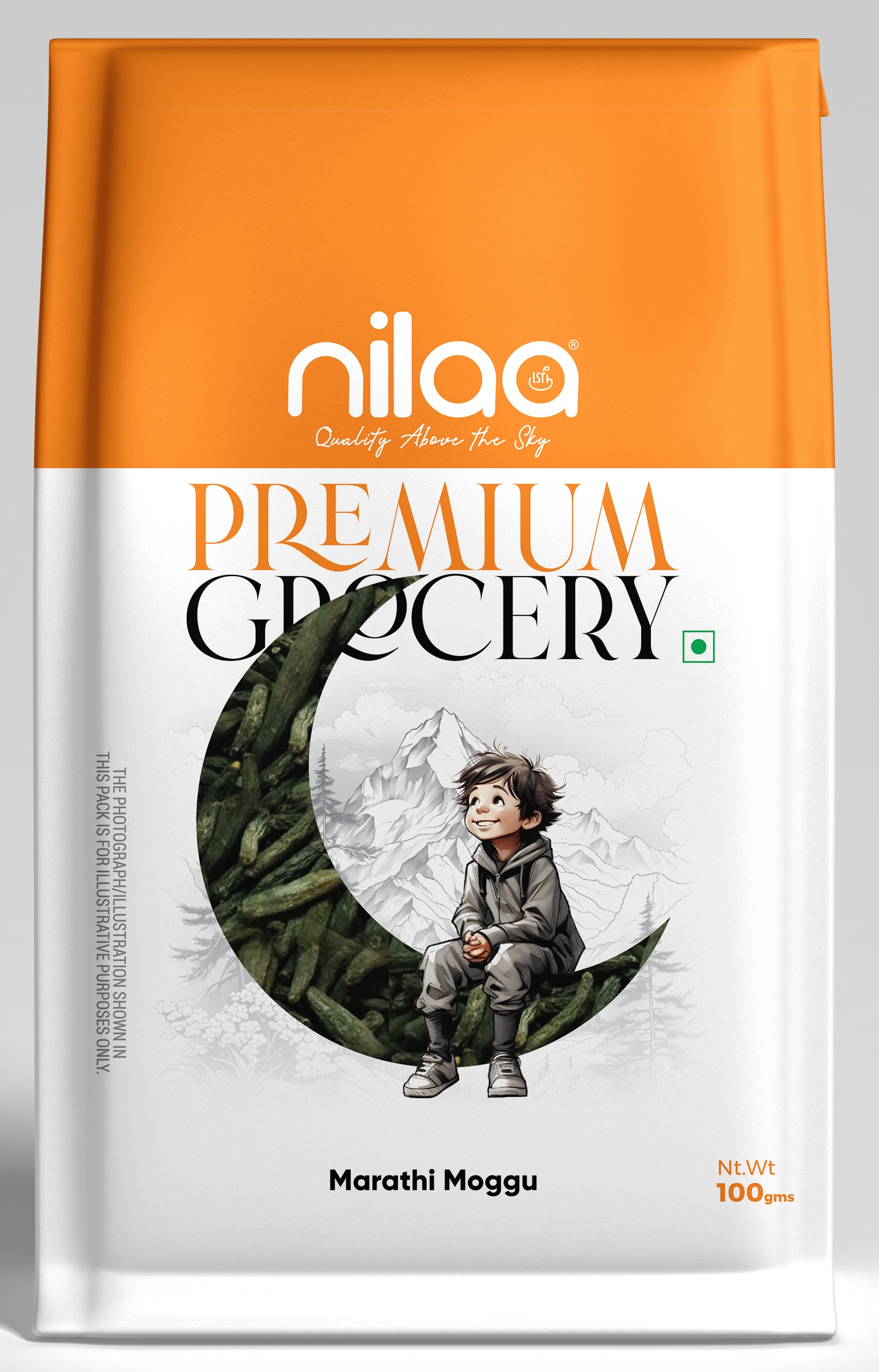
Marathi Moggu is finest described as a type of caper, and is also known as Kapok Buds. It is used in rice dishes like Bisi bele bath, pulao, also in preparations of masalas. It contains got brownish color and a bigger version of a clove seems with a strong fragrance as well. It is not eaten raw but always dry-fried and ground with other spices before going into a dish.
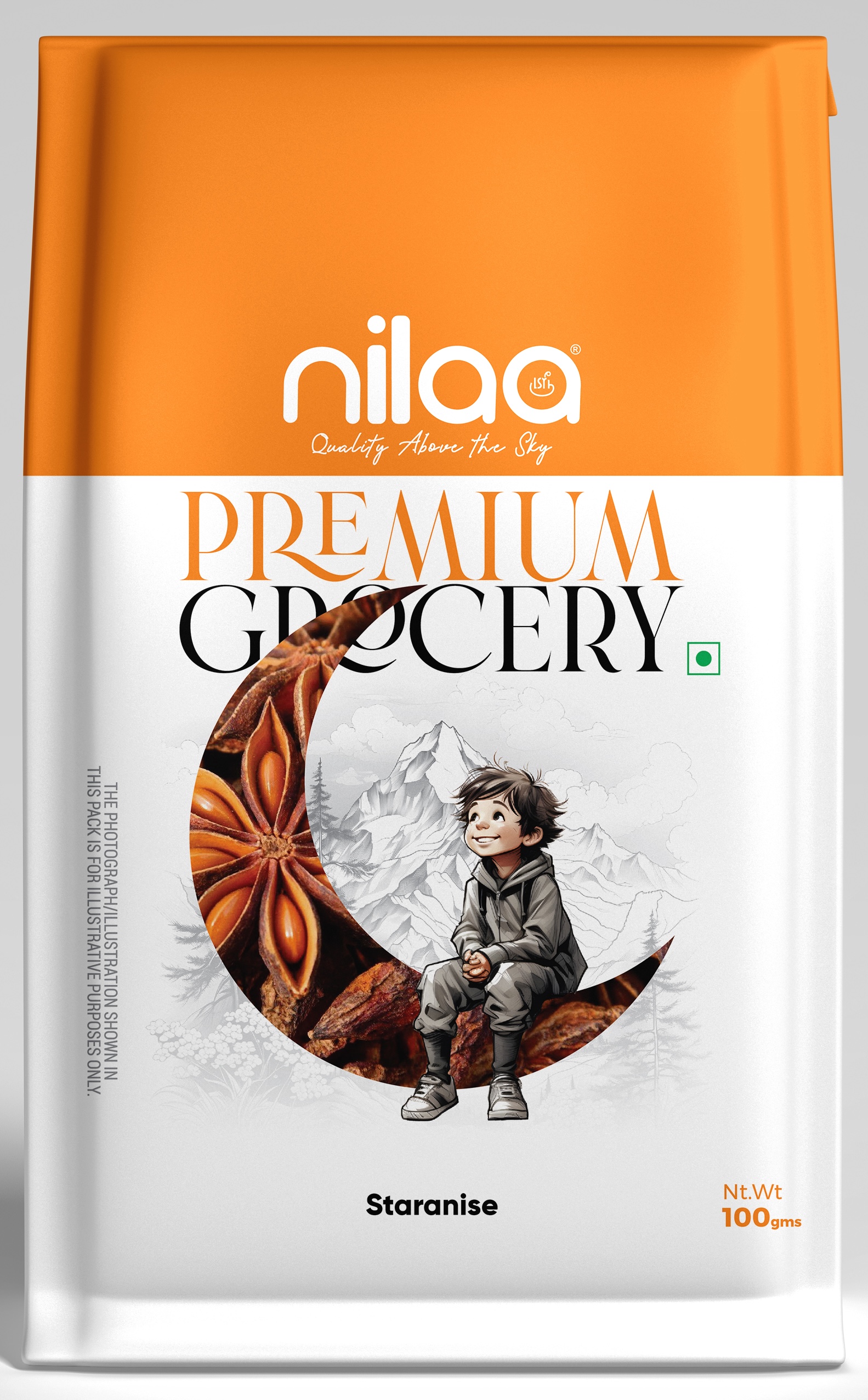
Although star anise has been predominantly used in Asian dishes, its health benefits and uses deserve worldwide recognition
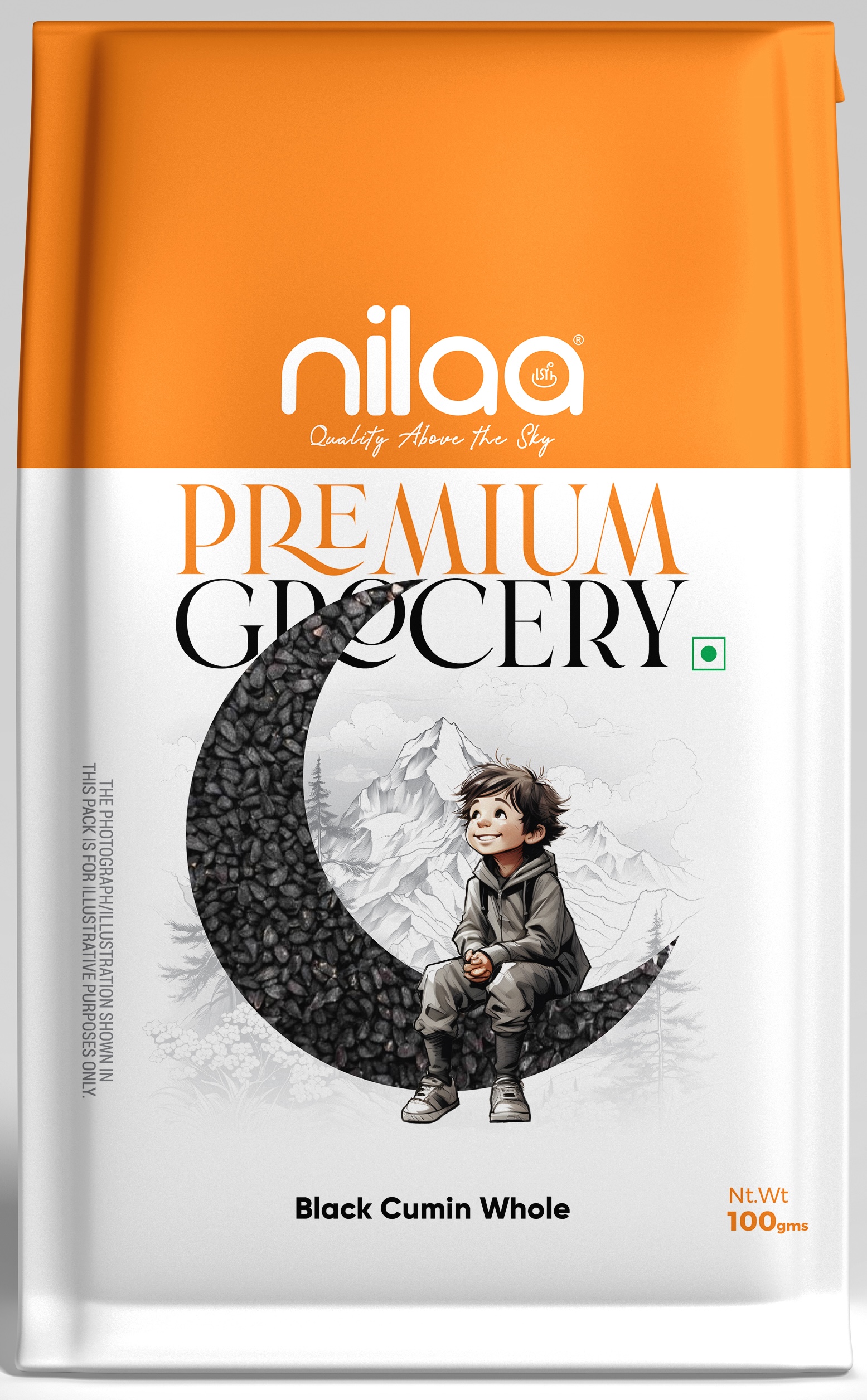
Black cumin, also known as nigella or kalonji, is a small, black seed that comes from the Nigella sativa plant. In India, dry roasted kalonji is used for flavouring curries, dal, stir-fried vegetables, and even savouries such as samosa, papdis and kachori among others. Flavour and aroma aside, the tiny black seed comes with a whole lot of health benefits.
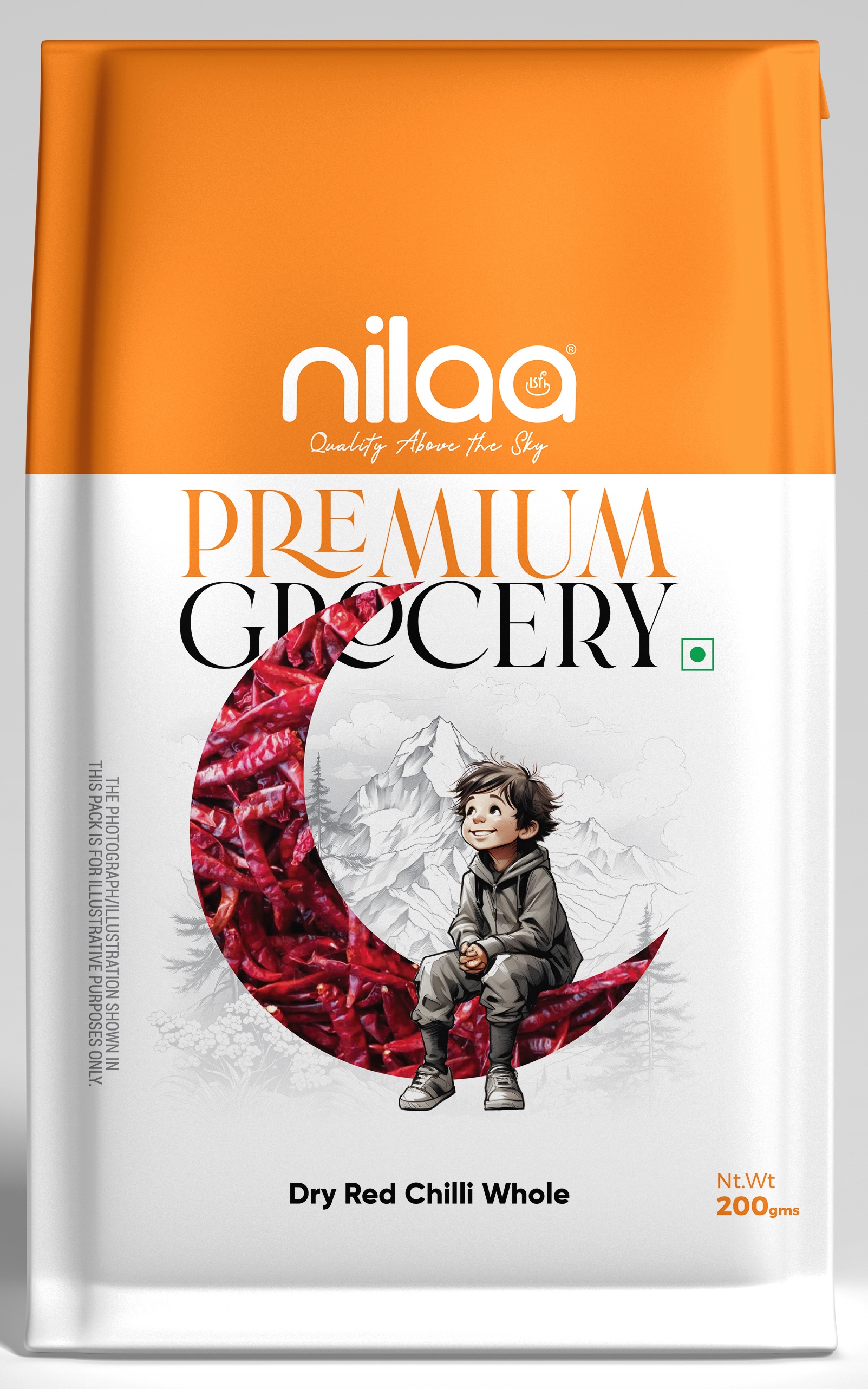
Red chilli has antioxidants, and it contains vitamin C and carotenoids, which could aid in improving insulin regulation. It is sharp, sizzling and stimulating. It contains a pungent smell that irritates occasionally. It is broadly utilised in the preparation of snacks and sometimes for garnishing.
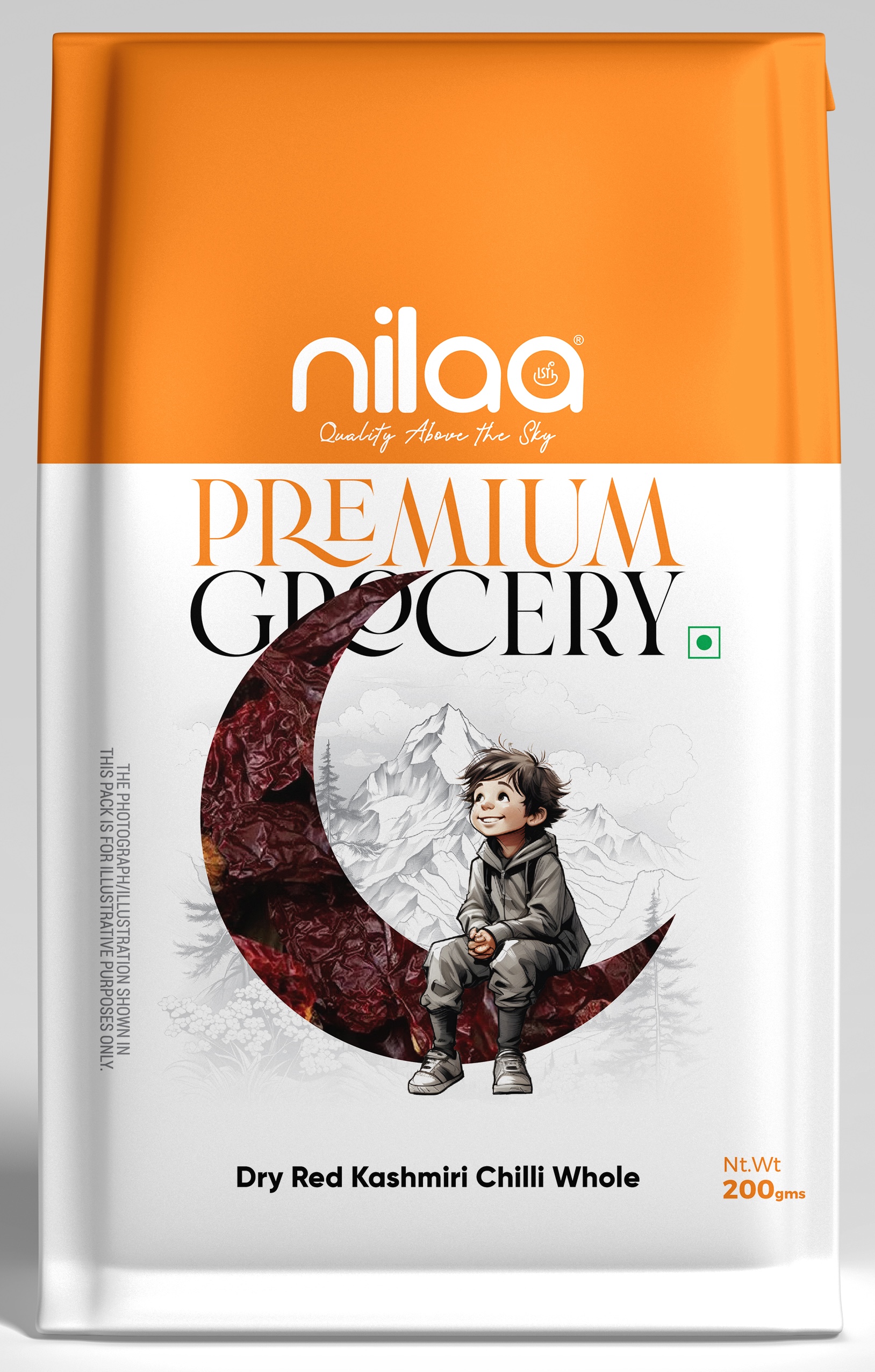
Kashmiri dry red chilies are a type of chili pepper that is primarily grown in the Kashmir region of India. They are known for their bright red color, mild to medium heat, and fruity, slightly smoky flavor.
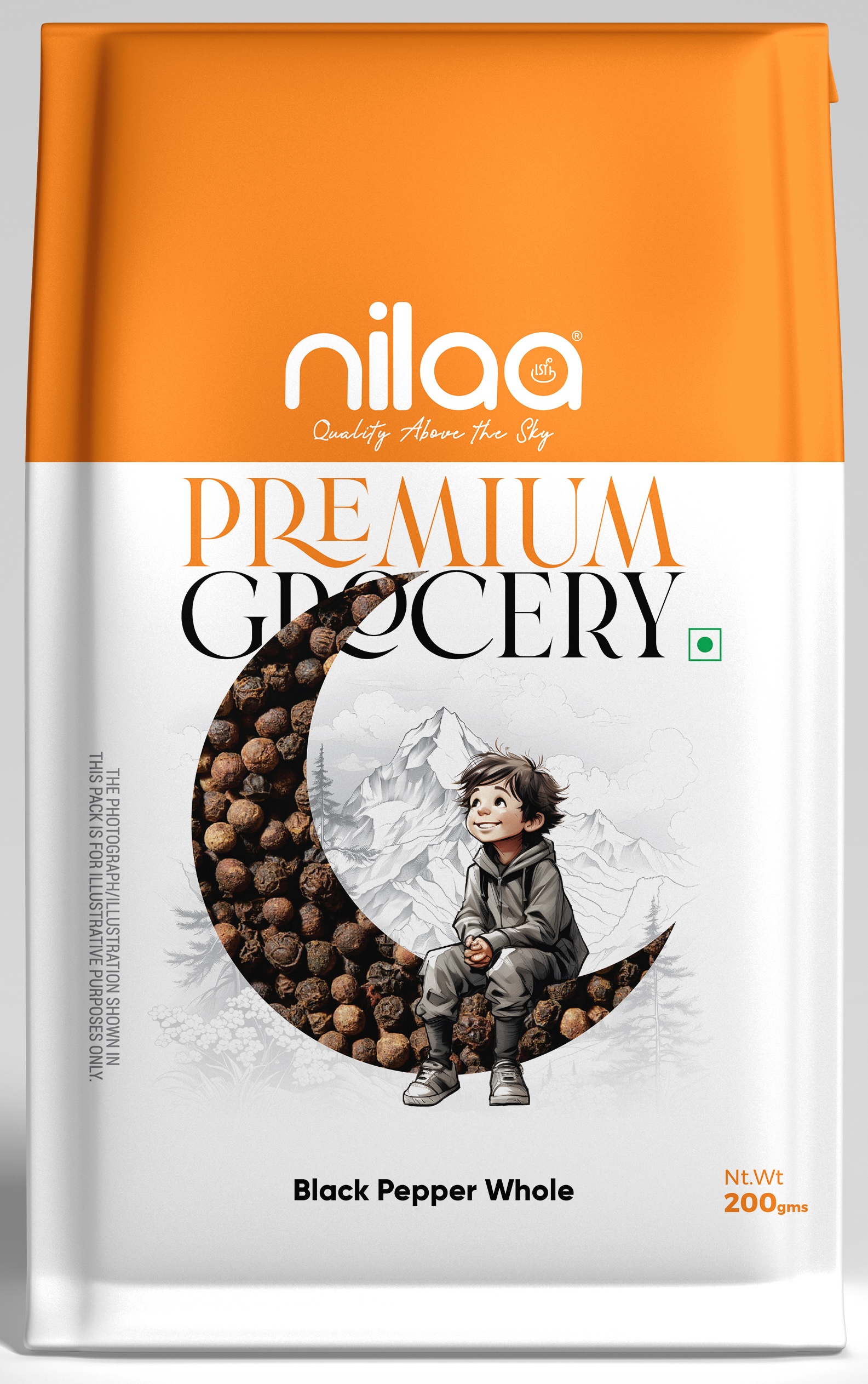
Whole black pepper is a good source of dietary fiber, protein, and various minerals, especially calcium, iron, and magnesium. It is also a good source of antioxidants and has been used in traditional medicine to treat digestive issues, inflammation, and other ailments.